Independent visitor guide
Peranakan Museum: the most Singaporean subject in any Singapore museum
The only museum in the world dedicated to Peranakan culture, in the schoolhouse that used to be the Asian Civilisations Museum. Ninety minutes, and the most locally specific thing you can see in Singapore.
- Last checked: 28 August 2026
- 5 ticket options tracked
- Not the official site This is not the official website Singapore Tickets Guide is an independent travel guide. We do not own, run or represent any attraction on this site and we do not issue tickets ourselves. Booking links go to Headout, an authorised reseller, and we may earn a commission. For official information, always use the operator’s own website. About this site →
Live inventory
Tickets and passes available right now
Live options from our booking partner. Prices update automatically.
 Most booked
 Red Dot Design Museum Tickets with SGD 5 Shopping Voucher
$9.44From · per person

Asian Civilisations Museum Tickets
$11.80From · per person

National Gallery Singapore Tickets
$14.16From · per person

Peranakan Museum Permanent Galleries Ticket
$9.44From · per person

Chinatown Heritage Centre Admission Tickets
$19.66From · per person
Prices shown are the current lowest listed by our booking partner and can change.Last checked: .
| Cheapest ticket right now | From $9.44Permanent galleries via our booking partner |
|---|---|
| Permanent galleries | Free for citizens and PRsNational Heritage Board policy. Other nationalities pay general admission. |
| What it covers | Peranakan culture across Southeast AsiaNot only Singapore — the Straits Chinese communities of Malacca, Penang and beyond. |
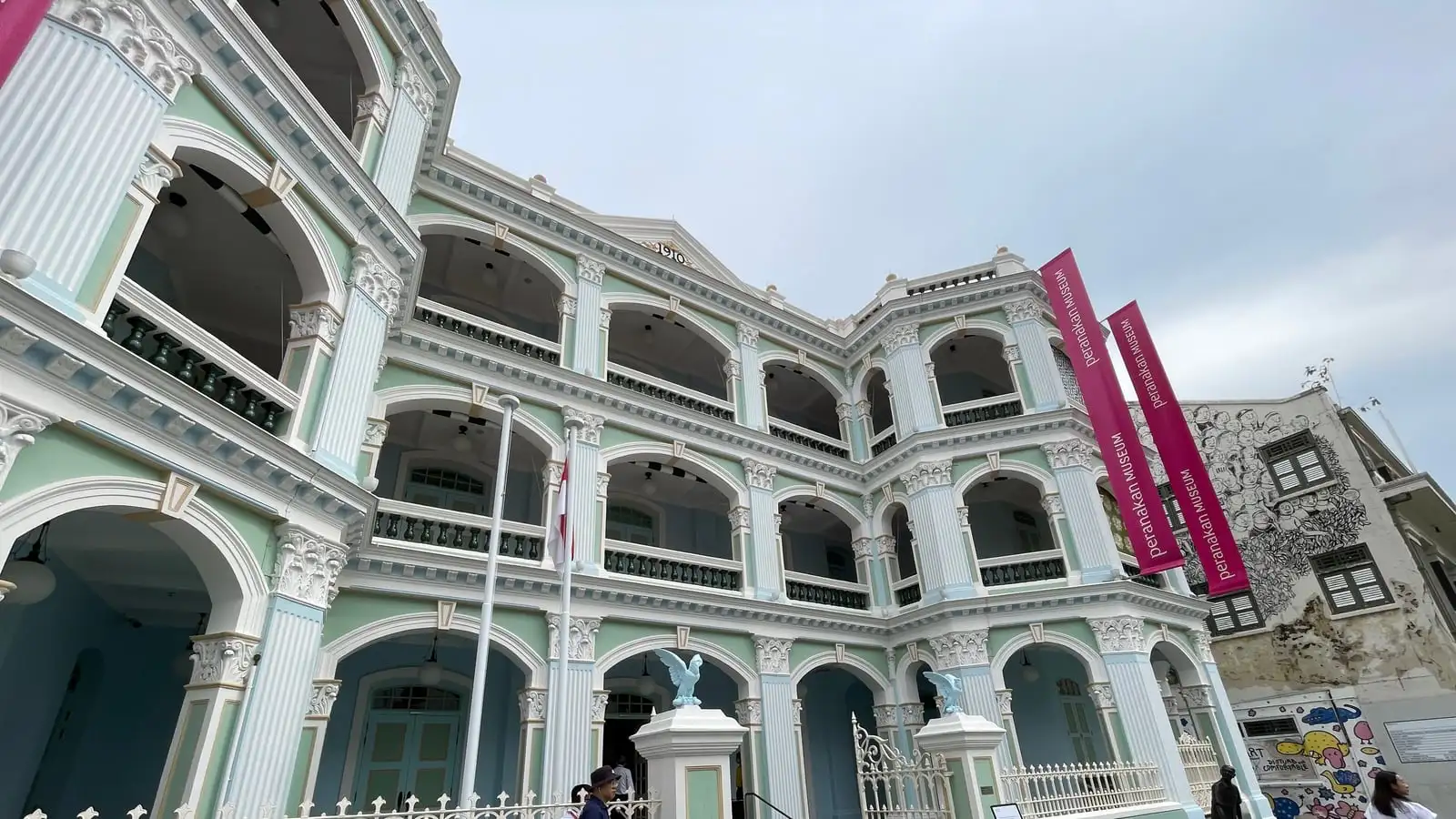
| The building | The Old Tao Nan School, 1912It housed the Asian Civilisations Museum before that museum moved to Empress Place in 2003. |
| Reopened | February 2023After a multi-year redevelopment that reorganised the galleries around Origins, Home and Style. |
| Time to allow | About 90 minutesSmall and focused. Two hours if you read every label. |
| Nearest station | Bras Basah (CC2) or Bencoolen (DT21)Both under five minutes on foot. City Hall (EW13/NS25) is about ten. |
| Address | 39 Armenian Street, Singapore 179941 |
Opening hours and on-the-gate prices come from the operator’s official website. Always re-check before you travel. Official site: Peranakan Museum
Ticket comparison
Which ticket should you buy?
Lowest price
Permanent galleries
$9.44 From · per person
Ninety focused minutes on the one subject you cannot see anywhere else.
- The permanent galleries across three levels
- The restored 1912 schoolhouse
- The beadwork, porcelain and furniture collections
Free for Singapore citizens and permanent residents; other nationalities pay general admission.
Check pricesAsian Civilisations Museum
$11.80 From · per person
The sister museum, and the natural pairing on the same day.
- Pan-Asian collections including the Tang Shipwreck
- Two hours at Empress Place, ten minutes' walk away
- The same free-for-residents policy
The two were one museum until 2003. Doing both in a day is comfortable and thematically coherent.
Check pricesChinatown Heritage Centre
$19.66 From · per person
Extending the same social history into how people actually lived.
- Restored shophouse interiors on Pagoda Street
- About an hour
- A different community and a different class of experience
Better than it sounds, and the natural third stop for anyone taken by the Peranakan galleries.
Check pricesThe Peranakan Museum is the only museum in the world dedicated to Peranakan culture, and it occupies the 1912 Old Tao Nan School on Armenian Street — the building that housed the Asian Civilisations Museum before that institution moved to Empress Place in 2003.
It is small, it takes ninety minutes, and if you have room for one museum in Singapore it is the one that will explain the most about what you have been walking past.
What Peranakan means
The Peranakan — or Straits Chinese — are descendants of Chinese traders who settled in the Malay world from around the fifteenth century and intermarried with local communities. Over generations that produced a genuinely distinct culture: Chinese in ancestry, Malay in language and food, later British in education and dress, and entirely its own in material style.
It matters here because it is not a historical curiosity. Peranakan culture produced:
- The shophouse, and specifically the ornamented Peranakan terrace, which is most of what people photograph in Katong, Emerald Hill and Blair Road.
- Nyonya cuisine — laksa, ayam buah keluak, kueh — which is a large part of what visitors eat and call "Singaporean food".
- Nyonya beadwork and embroidery, which is the museum's strongest holding.
- Peranakan porcelain, commissioned from Chinese kilns to Straits taste.
Walk through Katong or along Koon Seng Road after visiting here and the buildings stop being pretty and start being legible.
Inside
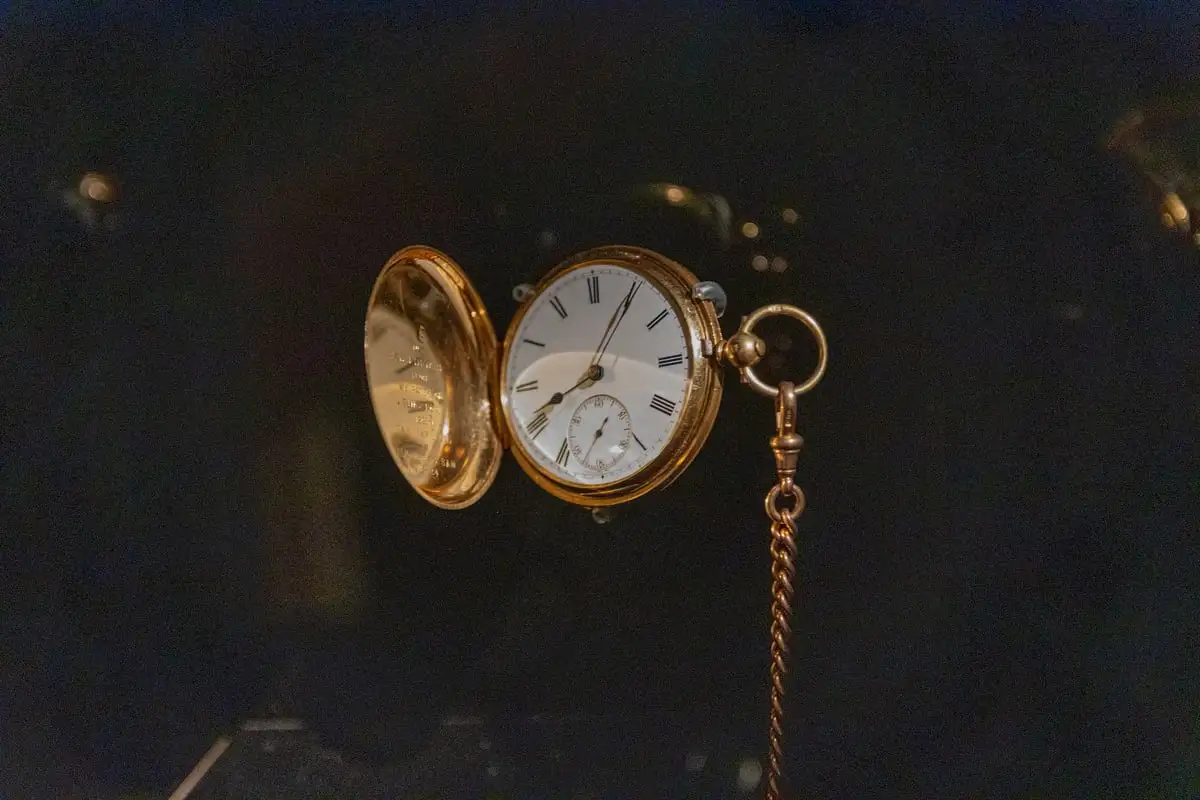
The museum reopened in February 2023 after a multi-year redevelopment that reorganised the galleries thematically rather than chronologically — broadly around Origins, Home and Style across three levels.
What that means in practice: rather than walking a timeline, you move through the domains of a life. Where these communities came from and how they were formed. How a Peranakan house was arranged, furnished and run, and what a wedding involved. What was worn, made, embroidered and collected, and what it signalled.
The beadwork is the highlight for most visitors and the museum knows it — slippers, panels and hangings displayed close enough to see the individual beads, which are frequently smaller than a grain of rice.
Who pays
The standard National Heritage Board rule, the same one that applies at the Asian Civilisations Museum and the National Museum:
Permanent galleries are free for Singapore citizens and permanent residents. Other nationalities pay general admission. Special exhibitions are ticketed for everyone, at a lower resident rate.
Where it fits in a museum day
This is a ninety-minute museum, which makes it the ideal second stop rather than a first.
The strong pairing: Asian Civilisations Museum in the morning — two hours, the Tang Shipwreck, the pan-Asian frame — then walk ten minutes up to Armenian Street for the Peranakan Museum after lunch. The two were one institution until 2003 and the subjects follow on directly: the region's trade, then what that trade produced in one community.
The lighter pairing: Peranakan Museum, then a walk through the shophouse streets around Waterloo Street and Bras Basah, then the National Museum if you still have appetite.
Do not pair it with National Gallery Singapore unless you have a full day. That one asks for three hours on its own.
Timing
Weekday mornings are the quiet window, though this is one of the less-visited national museums and is rarely crowded regardless — which is a genuine part of its appeal.
Check for late openings, as at the other national museums. Selected evenings run extended hours and the galleries are close to empty.
Ninety minutes is the honest estimate, and it is worth resisting the urge to stretch it. This is a museum that rewards a focused visit rather than a thorough one.
How to save
Check whether you are already free. Singapore citizens and permanent residents pay nothing for the permanent galleries.
Skip special exhibitions on a first visit. The permanent collection is the reason to come.
Walk to it rather than buying transport. It sits inside the Bras Basah museum cluster, minutes from three other national museums, and the walk between them is free and pleasant.
Extend it for free. The shophouse streets of Katong and Joo Chiat are the Peranakan Museum's outdoor annexe, and they cost nothing. Koon Seng Road is the most photographed terrace in Singapore.
Do not buy a city pass for museums. These are among the cheapest attractions in the country and passes are priced around theme parks.
How to get there
Bras Basah (CC2) on the Circle Line and Bencoolen (DT21) on the Downtown Line are both under five minutes on foot. City Hall (EW13/NS25) is about ten minutes.
The address is 39 Armenian Street, Singapore 179941.
What is nearby
The Bras Basah museum cluster. The National Museum is five minutes up Stamford Road, National Gallery Singapore ten minutes across the Padang, and the Asian Civilisations Museum ten minutes down to Empress Place.
Armenian Street itself, the Armenian Church, and the shophouse streets around Waterloo Street are free and directly outside. For the outdoor version of what the museum covers, take the MRT east to Katong and Joo Chiat — the terraces on Koon Seng Road are the best-preserved Peranakan shophouses in the city, and they cost nothing to look at.
FAQ
Frequently asked questions
What is Peranakan culture?
The culture of the Straits Chinese — descendants of Chinese traders who settled in the Malay world from the fifteenth century onwards and intermarried with local communities, producing a distinct synthesis of Chinese, Malay and later European elements. It shaped the shophouse architecture, the beadwork and embroidery, the porcelain, and a great deal of what people now think of as Singaporean food.
Is the Peranakan Museum free?
The permanent galleries are free for Singapore citizens and permanent residents, in line with National Heritage Board policy. Other nationalities pay general admission, and special exhibitions are ticketed separately for everyone.
How long do you need?
About ninety minutes. It is a small, focused museum across three levels of a converted schoolhouse — the opposite of the National Gallery, and much the better for it if you have limited time.
Is it worth visiting?
If you visit one museum in Singapore and want something you genuinely cannot see elsewhere, this is the strongest candidate. It is the only museum in the world dedicated to Peranakan culture, and the subject explains a large amount of what you have already been looking at around the city.
How does it relate to the Asian Civilisations Museum?
They are sister museums and were once the same institution. The ACM opened in this building on Armenian Street in 1997, moved its flagship to Empress Place in 2003, and this wing reopened as the Peranakan Museum in 2008. Both are National Heritage Board museums, ten minutes apart, and they pair well.
What is the best thing inside?
The beadwork and embroidery, for most visitors. The technical standard of Nyonya beadwork — slippers, panels, table hangings — is extraordinary at close range, and the museum lets you get close. The porcelain and the wedding galleries run it close.
Is it good for children?
Moderately. It is small enough not to exhaust them and the objects are visually rich, but it is a decorative-arts museum with a text-heavy frame. For a family museum day, the Science Centre or the Lee Kong Chian Natural History Museum are better bets.
When is it quietest?
Weekday mornings. It is one of the less-visited national museums, which is part of its appeal — the galleries are rarely crowded even at peak times.
Related guides