Independent visitor guide
National Museum of Singapore: the country's oldest museum, and its story told straight
Founded in 1849 and on Stamford Road since 1887. If you want the chronological account of how Singapore became Singapore, this is the building that tells it.
- Last checked: 28 August 2026
- 0 ticket options tracked
- Not the official site This is not the official website Singapore Tickets Guide is an independent travel guide. We do not own, run or represent any attraction on this site and we do not issue tickets ourselves. Booking links go to Headout, an authorised reseller, and we may earn a commission. For official information, always use the operator’s own website. About this site →
| Free for citizens and PRs | Permanent galleriesNational Heritage Board policy across its museums. Other nationalities pay general admission. |
|---|---|
| Opening hours | Daily 10am–7pmStandard NHB museum hours, with last admission before closing. Check the operator for exhibition changeovers. |
| Founded | 1849The oldest museum in Singapore. On the Stamford Road site since 1887. |
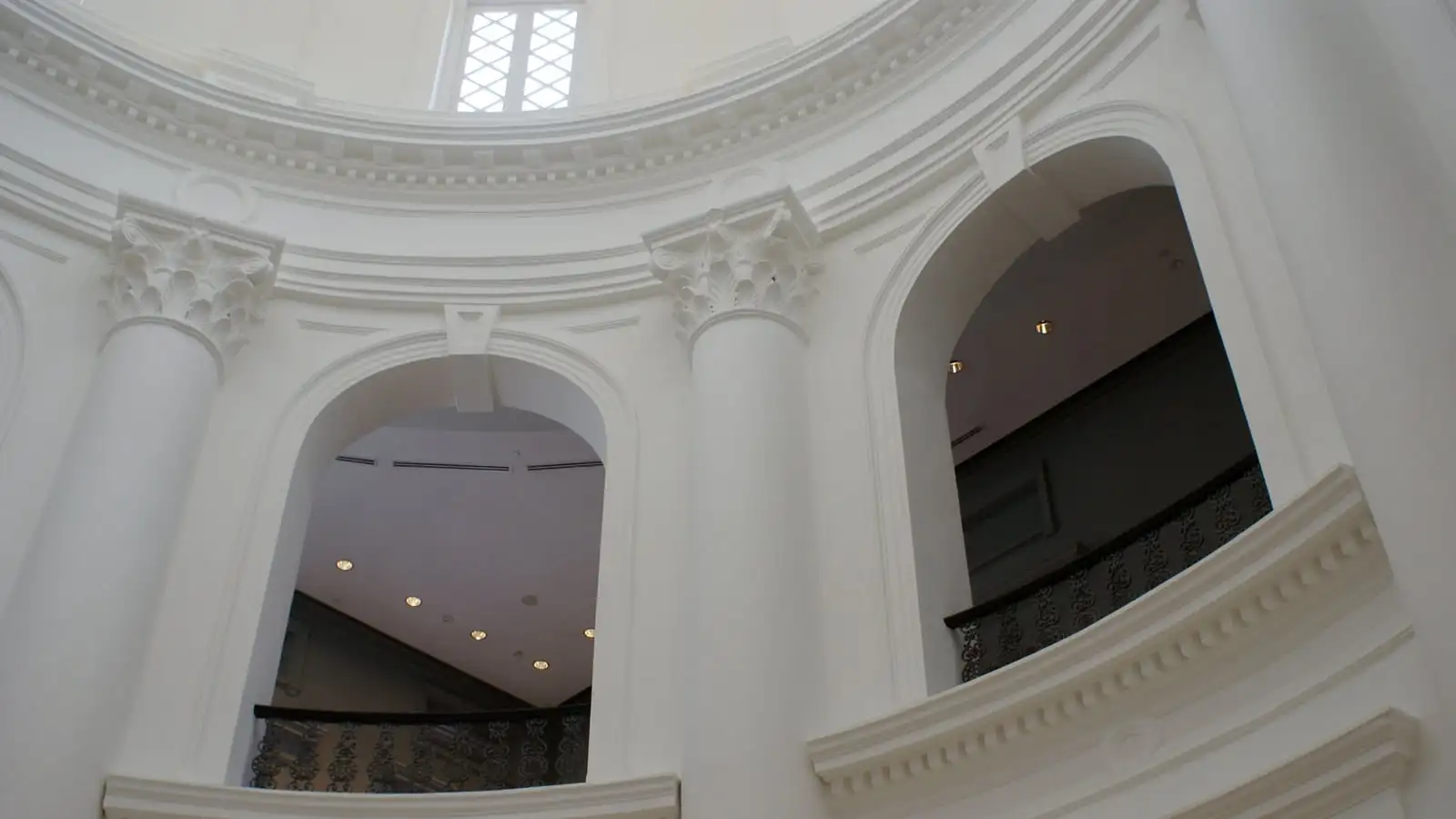
| The building | Neo-Palladian, with two rotundasThe original dome, and the Glass Rotunda added in the 2006 redevelopment. |
| Time to allow | 2–3 hoursThe Singapore History Gallery alone is about ninety minutes done properly. |
| Nearest station | Bras Basah (CC2) or Dhoby Ghaut (NS24/NE6/CC1)Both about five minutes on foot. Bencoolen (DT21) is a similar distance. |
| Address | 93 Stamford Road, Singapore 178897 |
Opening hours and on-the-gate prices come from the operator’s official website. Always re-check before you travel. Official site: National Museum of Singapore
Ticket comparison
Which ticket should you buy?
General admission
The chronological account of Singapore, and the building it sits in.
- The Singapore History Gallery
- The Life in Singapore galleries
- The Rotunda and the Glass Rotunda
Free for Singapore citizens and permanent residents. Other nationalities pay general admission.
With a guided tour
Visitors who want the narrative rather than reading every panel.
- A guide through the History Gallery
- Context that the labels do not carry
- Typically 60 to 90 minutes
Free volunteer-led tours run to a daily schedule; paid guided tickets are also sold by third parties.
Special exhibitions
Return visitors, or anyone whose trip coincides with a specific show.
- The current temporary exhibition
- Ticketed separately from general admission
Charged for everyone, with a lower resident rate. Check what is on before buying.
The National Museum of Singapore is the oldest museum in the country. Its collection began in 1849 as a section of the Raffles Library and Museum, and it has stood on Stamford Road since 1887. Between 1993 and 2006 it was called the Singapore History Museum, which is a fair description of what it still mostly is.
If you want one building that explains how a trading post became a country, this is it.
What is inside
The Singapore History Gallery is the core, and it is chronological: the early port years, Raffles and the colonial administration, the growth of the immigrant communities, the Japanese occupation, the post-war years, self-government, the brief union with Malaysia, and independence in 1965.
It is text-heavy and it is meant to be. Ninety minutes if you read it properly, and reading it properly is the entire proposition — the objects support the narrative rather than the other way round.
The Life in Singapore galleries run alongside it, covering the social history: how people lived, ate, worked and moved through the same decades. This is the half most visitors find unexpectedly good.
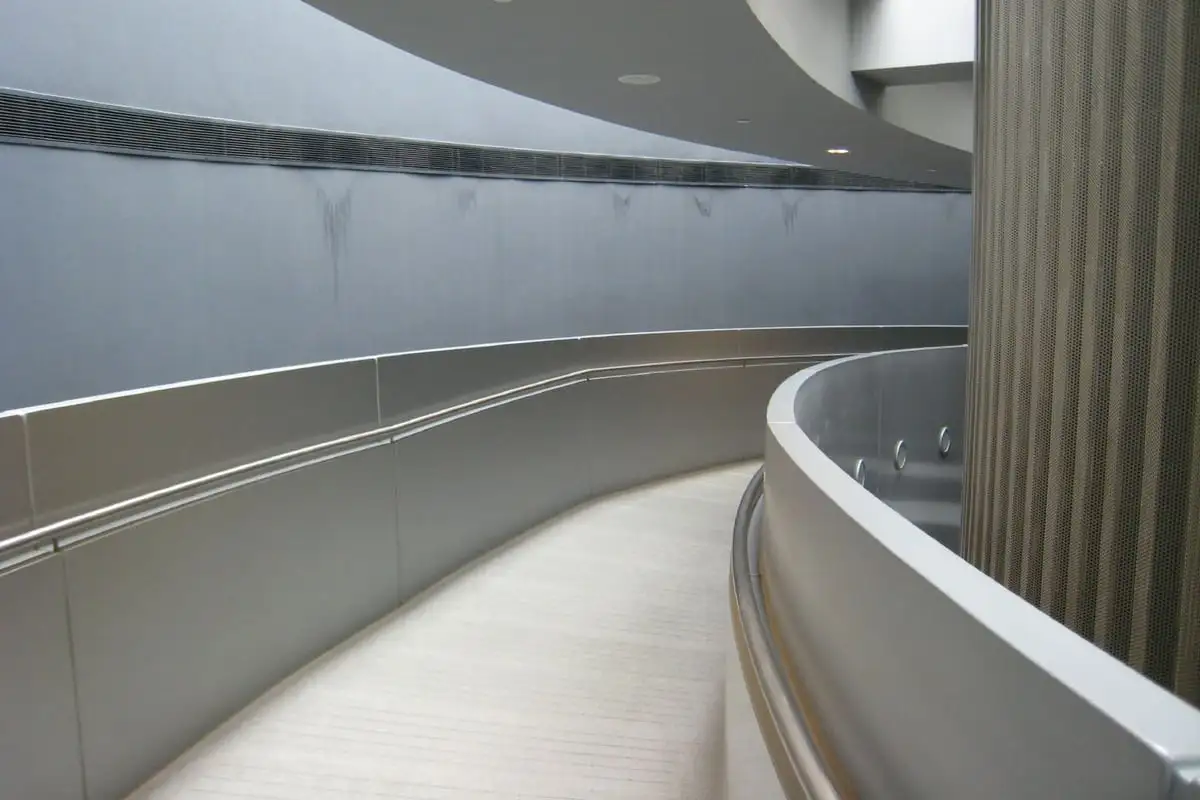
The building is the third exhibit. The original 1887 neo-Palladian block carries a Victorian dome; the 2006 redevelopment added a Glass Rotunda, which has housed large-scale immersive installations. The two rotundas facing each other across a century is the clearest architectural statement in the Civic District.
Who pays
The same National Heritage Board rule that applies at the Asian Civilisations Museum and the Peranakan Museum:
Permanent galleries are free for Singapore citizens and permanent residents. Other nationalities pay general admission. Special exhibitions are charged for everyone, at a lower resident rate.
Free volunteer-led tours of the History Gallery run to a daily schedule and are worth building your arrival around — they carry the connective tissue the labels cannot.
Which Civic District museum to pick
Three national museums sit within a fifteen-minute walk of each other and they are genuinely different, not variations.
| Subject | Time | Best for | |
|---|---|---|---|
| National Museum | Singapore's own history | 2–3 hrs | Understanding the country you are standing in |
| Asian Civilisations Museum | The material history of Asia | 2 hrs | The best single collection, and the Tang Shipwreck |
| National Gallery Singapore | Singaporean and Southeast Asian art | 3 hrs | Scale, and the best building |
Two in a day is comfortable. Three is a long day of standing. If you are picking one and it is your first trip, the ACM has the stronger objects and this one has the stronger story.
What the History Gallery actually covers
The gallery runs forward in time, and the sections it spends longest on are the ones that explain the most.
The port years. Singapore before 1819 as a node in regional trade rather than an empty island — the framing has shifted considerably in recent decades and the museum reflects it.
The colonial century. The East India Company, the free port, and the arrival of the Chinese, Indian and Malay communities whose descendants make up the country. This section does the demographic groundwork that the rest depends on.
The Japanese occupation, 1942 to 1945. The most affecting part of the museum, and the one that surprises visitors who arrived expecting a straightforward development story. The Syonan-to years are handled directly, including the Sook Ching massacres.
Self-government, merger and separation. 1959 to 1965 — the internal politics, the two years inside Malaysia, and the separation that produced an independent country nobody had planned for.
Nation-building. Housing, industrialisation, national service, language policy. This is where the museum is most obviously an official account, and reading it as such is part of the interest.
Ninety minutes is the honest figure. It is a lot of text, and the reward is that Singapore stops being a set of attractions and becomes a place with a chronology.
Timing is everything
Weekday mornings from 10am are the quiet window. School groups arrive mid-morning; the Civic District fills from lunchtime.
Check for late openings. Several Singapore national museums run extended hours on selected evenings, and those are consistently the emptiest galleries in the city.
Give the History Gallery the first ninety minutes, while you still have the attention for it. Doing the social-history galleries first and arriving at the main narrative tired is the standard mistake here.
For photographs, the Rotunda dome and the glass drum both want overhead light, so late morning. The Stamford Road frontage works in the late afternoon.
How to save
Check whether you are already free. Singapore citizens and permanent residents pay nothing for the permanent galleries — which is the History Gallery, which is the reason to come.
Take the free volunteer tour rather than a paid guided ticket on a first visit. It runs to a daily schedule and it is better than most paid alternatives.
Skip the special exhibition unless it is specifically what drew you. General admission covers the part of the museum that matters.
Do not buy a city pass for this. Singapore's national museums are among the cheapest attractions in the country and multi-attraction passes are priced around theme parks.
Walk between museums. The Civic District cluster is compact, free to move around, and the walk past the Padang and St Andrew's Cathedral is a decent part of the day on its own.
How to get there
Bras Basah (CC2) on the Circle Line and Dhoby Ghaut (NS24/NE6/CC1) are both about five minutes on foot. Bencoolen (DT21) is a similar distance and closest to the Waterloo Street side.
From City Hall (EW13/NS25) it is about ten minutes past the Padang and up Stamford Road.
The address is 93 Stamford Road, Singapore 178897.
What is nearby
The Civic District cluster. National Gallery Singapore is ten minutes away across the Padang, the Asian Civilisations Museum another five minutes down to Empress Place, and the Peranakan Museum is five minutes along Armenian Street.
Fort Canning Park rises directly behind the museum — free, and the best short walk in central Singapore. Bras Basah and the Waterloo Street shophouse cluster are on the other side, and the Singapore River quays are ten minutes downhill.
FAQ
Frequently asked questions
Is the National Museum of Singapore free?
The permanent galleries are free for Singapore citizens and permanent residents, in line with National Heritage Board policy across its museums. Other nationalities pay general admission. Special exhibitions are ticketed separately for everyone.
What is inside?
The Singapore History Gallery is the main event — a chronological account of the country from its early trading-port years through colonial rule, the Japanese occupation, self-government and independence. The Life in Singapore galleries cover the social history alongside it, and the building itself, with its two rotundas, is part of the visit.
How long do you need?
Two to three hours. The Singapore History Gallery alone takes about ninety minutes if you read properly, and rushing it defeats the point — this is a museum you visit for the narrative rather than for individual objects.
How is it different from the National Gallery?
Entirely different subjects. The National Museum tells the country's history; National Gallery Singapore holds its art. If you want to understand how Singapore came to exist, come here. If you want to see what its artists made, go there. They are a ten-minute walk apart.
How is it different from the Asian Civilisations Museum?
The ACM covers the material history of Asia — the region Singapore's population came from. The National Museum covers Singapore itself. ACM is the better single museum by collection; this one is the better single museum for understanding the country you are standing in.
What is the Glass Rotunda?
The glass drum added during the 2006 redevelopment, alongside the original 1887 dome. It has housed large-scale immersive installations, and the pair of rotundas — one Victorian, one contemporary — is the building's architectural argument in miniature.
Is it good for children?
Moderately. There is family programming and the immersive installations hold attention, but the core of the museum is a text-heavy historical narrative aimed at adults. For children, the Science Centre or the Lee Kong Chian Natural History Museum are the better Singapore museum days.
When is it quietest?
Weekday mornings from the 10am opening. School groups arrive mid-morning and the Civic District fills from lunchtime. As at most Singapore national museums, late openings on selected evenings are the least crowded slot of all.
Related guides